Published March 16, 2026
Custom Single Family Home: What to Expect from Start to Finish
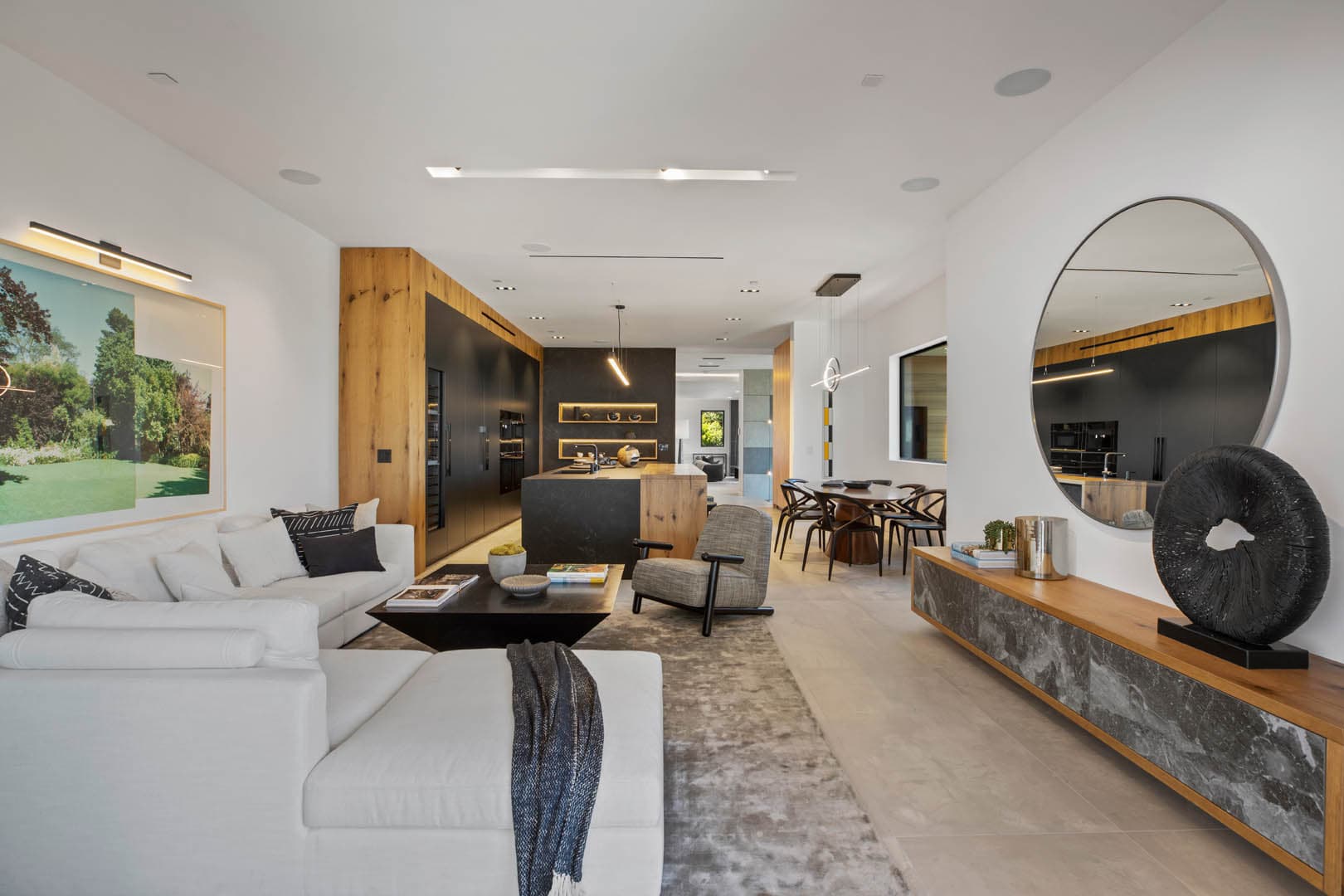
Building a custom single family home is one of the most exciting-and significant-investments you'll ever make. Unlike buying an existing property or remodeling, new construction gives you total control over every detail: the layout, finishes, energy efficiency, and lifestyle features that make a house truly yours.
But the journey from an empty lot to a finished home can feel overwhelming if you don't know what to expect. How long does it take? What are the steps? How do you choose the right builder? This guide walks you through every phase of custom single family home construction, so you can approach the process with confidence.
Phase 1: Planning and Pre-Construction
Every successful custom home begins long before the first shovel hits the ground. The planning phase sets the foundation-figuratively-for everything that follows.
Define Your Vision and Budget
Start by establishing what you want and what you can afford. Consider your family's current needs and how they might evolve over the next 10 to 20 years. How many bedrooms and bathrooms do you need? Do you want an open floor plan? A home office? An ADU or guest house on the property?
Understanding your budget upfront is critical. Custom home construction in Southern California can vary widely-your custom home cost will depend on lot location, square footage, finishes, and complexity of design. A good rule of thumb: set aside 10–15% of your total budget as a contingency for unexpected costs.
Choose the Right Lot
If you don't already own land, selecting the right lot is as important as the home design itself. Consider zoning restrictions, soil conditions, slope, utility access, and neighborhood. A hillside lot in the Hollywood Hills requires very different engineering than a flat lot in Santa Clarita.
Your builder should help evaluate lots before you purchase. Soil testing, surveying, and a feasibility study can save you from costly surprises later.
Hire the Right Builder
The builder you choose will shape every aspect of your experience. Look for a licensed, insured general contractor with a proven track record in new construction. Check their portfolio, read client testimonials, and ask about their communication process.
Ideally, work with a design-build firm that handles both architecture and construction under one roof. This eliminates finger-pointing between separate architects and contractors, streamlines communication, and often saves both time and money. Learn more about our process to see how an integrated approach works.
Phase 2: Design and Architecture
Once your team is in place, the creative phase begins. This is where your dream starts taking a tangible shape.
Architectural Design and 3D Modeling
Your architect or design-build team will create floor plans, elevations, and detailed renderings. Today's technology allows you to visualize your home in photorealistic 3D design models before a single wall goes up. This helps you make confident decisions on room layout, ceiling heights, window placement, and exterior styling-without costly changes during construction.
Engineering and Structural Plans
Beyond aesthetics, engineers verify that your design is structurally sound and meets California's seismic and building codes. This includes structural engineering, mechanical, electrical, plumbing (MEP) plans, and-depending on your lot-civil engineering for grading and drainage.
Material and Finish Selections
During the design phase, you'll start selecting materials: flooring, countertops, cabinetry, fixtures, roofing, siding, and more. Making these decisions early prevents delays during construction. Your builder can guide you toward materials that balance quality, aesthetics, and budget. If sustainability matters to you, this is also when to explore energy-efficient building options like high-performance insulation, solar-ready wiring, and low-E windows.
Phase 3: Permits and Approvals
Before construction can begin, your plans must be submitted to the local building department for review. In Los Angeles and surrounding areas, permitting can be one of the longest phases of the project.
Plan check reviews ensure your home meets zoning regulations, fire safety codes, structural requirements, and Title 24 energy compliance. Depending on the municipality, this process can take anywhere from 4 to 12 weeks-or longer for complex projects or historic zones.
An experienced builder will manage the entire permitting process for you, handle any plan check corrections, and coordinate with city officials to keep things moving.
Phase 4: Site Preparation and Foundation
With permits in hand, construction begins. Site preparation is the first physical step and involves clearing the lot, grading the land, and setting up temporary utilities.
Grading and Excavation
The lot is leveled and shaped according to the civil engineering plans. If you're building on a hillside or have a basement design, excavation will be more extensive. Retaining walls may be necessary to manage slopes and drainage.
Foundation
The foundation is poured-typically a concrete slab, raised foundation, or in some cases, a pier system for hillside construction. Footings are inspected before the pour, and the foundation must cure before framing begins. This is a critical milestone: the foundation literally supports everything that comes after.
Phase 5: Framing and Structure
Framing is when your home starts to look like a home. Walls, floors, and the roof structure go up quickly, and you'll finally be able to walk through your future rooms and get a true sense of scale.
During framing, your builder will conduct a frame walk-through with you. This is your chance to verify room sizes, window placements, ceiling heights, and any last adjustments before the walls are closed up. Sheathing, house wrap, and the roof are then installed to create a weather-tight shell.
Phase 6: Mechanical Systems (Rough-In)
Before the walls are finished, all the systems that make your house function are installed "rough"-meaning the infrastructure is put in place but not yet connected to fixtures.
- Electrical: wiring, panel installation, outlet and switch boxes, smart-home pre-wiring
- Plumbing: supply and drain lines, gas piping, water heater connections
- HVAC: ductwork, furnace/air handler placement, air conditioning lines
- Low voltage: data cables, speaker wiring, security system pre-wiring
Each of these systems is inspected independently by the local building department before work can proceed.
Phase 7: Insulation, Drywall, and Interior Finishes
Once rough-in inspections pass, insulation is installed throughout the home. California's energy codes require specific R-values and often spray-foam or blown-in insulation for optimal performance. Then drywall goes up, is taped, mudded, and sanded to a smooth finish.
From here, interior finishing begins in earnest:
- Paint and wall textures
- Flooring (hardwood, tile, carpet)
- Cabinetry and countertop installation
- Trim, baseboards, and crown molding
- Doors and hardware
- Fixture installation (sinks, faucets, lighting, outlets)
This is the phase where your vision truly comes to life. The kitchen and bathrooms tend to require the most intensive finish work, with detailed tile, custom cabinetry, and specialty fixtures.
Phase 8: Exterior Finishing and Landscaping
While interior work progresses, exterior finishes are completed: stucco or siding, exterior paint, stone or brick accents, garage doors, and entry doors. Gutters, downspouts, and exterior lighting are also installed.
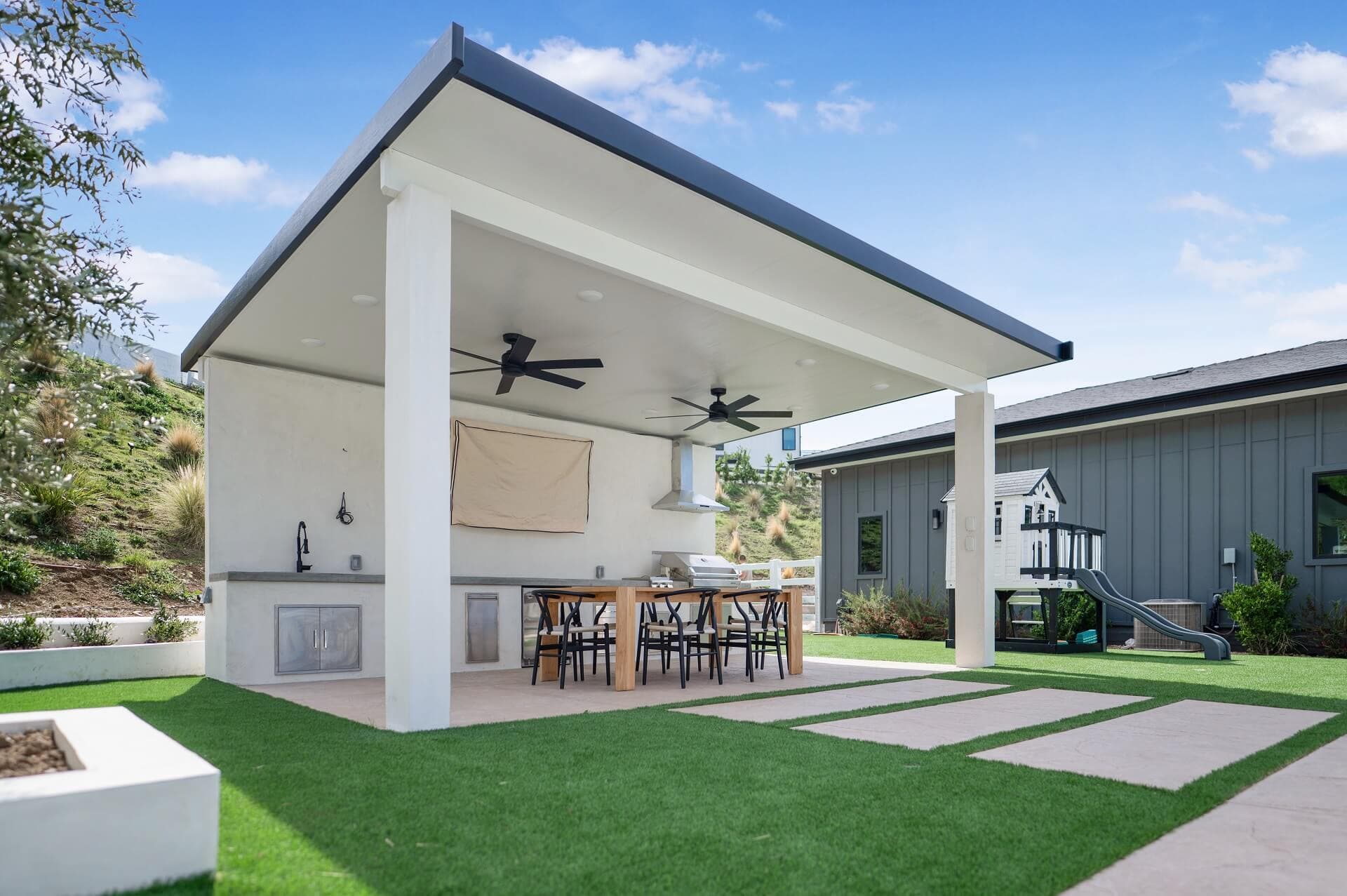
Landscaping and hardscaping-driveways, walkways, patios, fencing, and planting-give your property its curb appeal and outdoor living spaces. If a backyard remodel with a pool, outdoor kitchen, or fire pit is in your plans, this work often runs in parallel with the final interior phases.
Phase 9: Final Inspections and Certificate of Occupancy
Before you can move in, the city conducts a series of final inspections covering structural, electrical, plumbing, mechanical, and fire safety. Once everything passes, you receive a Certificate of Occupancy (C of O)-the official approval that your home is safe and legal to inhabit.
Your builder will also conduct a detailed walkthrough with you, creating a punch list of any minor items that need correction or touch-up. A reputable builder will address every item promptly before handover.
Phase 10: Move-In and Warranty
Congratulations-you're home. But the builder's job isn't quite over. Most quality builders provide a warranty period (typically one year for workmanship, longer for structural elements) during which any issues that arise are addressed at no additional cost.
Keep all your documentation organized: permits, plans, warranties, appliance manuals, and paint colors. These will be invaluable for future maintenance and if you ever sell the home.
How Long Does It Take to Build a Custom Home?
A custom single family home in Southern California typically takes 12 to 24 months from breaking ground to move-in, depending on the size and complexity of the project. Add 2 to 4 months for design and 1 to 3 months for permitting, and you're looking at a total timeline of roughly 15 to 30 months from initial consultation to keys in hand.
Factors that can extend the timeline include: hillside construction, custom materials with long lead times, city permitting backlogs, and scope changes during construction. Working with an experienced builder who manages the schedule proactively is the best way to keep your project on track.
How Much Does a Custom Home Cost in California?
Custom home construction costs in Southern California generally range from $350 to $700+ per square foot, depending on location, design complexity, and finish level. A 2,500 sq ft home might cost $875,000 to $1.75 million or more.
This includes design, permitting, site work, construction, and basic landscaping. High-end finishes, pools, extensive landscaping, and specialized features (home theaters, wine cellars, elevators) will increase costs. Review our detailed custom single family home cost guide for a more complete breakdown.
Need help with financing your custom home build? Construction loans work differently than traditional mortgages-your builder can help you understand the process and connect you with lenders experienced in new construction financing.
Custom Home vs. Remodel: Which Is Right for You?
If you love your neighborhood but your current home doesn't meet your needs, you may be weighing new construction against a full house remodel. Both have advantages:
- Custom build: Total design freedom, modern building codes, new systems and materials, no compromise on layout
- Full remodel: Often faster and less expensive, preserves character of existing home, avoids demolition and new foundation costs
The best choice depends on the condition of your existing structure, the extent of changes you want, and your budget. An honest builder will help you evaluate both options and recommend the path that delivers the most value.
See Our Custom Home Projects
Nothing communicates the quality of custom construction better than real results. Browse our project gallery to see completed custom homes, including:
- New construction in Culver City (featured on Bravo's Million Dollar Listing)
- Custom home in Hollywood Hills
- New construction in Malibu
- Custom home in Venice Beach
- New construction on Spaulding Ave, Los Angeles
Frequently Asked Questions
How long does it take to build a custom single family home?
The full process-from initial design through move-in-typically takes 15 to 30 months in Southern California. Construction alone averages 12 to 24 months, with design and permitting adding several months on the front end.
Do I need to own land before hiring a builder?
Not necessarily. Many builders will help you evaluate and select a lot before you purchase. In fact, having your builder assess the lot first can save you from buying land with hidden issues like poor soil conditions, restrictive zoning, or costly utility connections.
What is a design-build firm, and why does it matter?
A design-build firm handles both architectural design and construction under one contract. This streamlines communication, reduces errors between design intent and construction execution, and typically delivers faster results at a lower overall cost than hiring separate architects and builders.
Can I make changes during construction?
Yes, but changes after construction has begun (called change orders) will affect both timeline and budget. The earlier you finalize decisions-especially with the help of 3D design visualization-the fewer costly changes you'll need to make later.
What permits are needed to build a custom home in California?
You'll need building permits from your local jurisdiction, which cover structural, electrical, plumbing, and mechanical work. Depending on your project, you may also need grading permits, coastal development permits, or HOA approvals. Your builder manages the entire permitting process.
How do I finance a custom home build?
Custom builds are typically financed through a construction-to-permanent loan. This provides funding in stages (draws) as construction milestones are reached, then converts to a traditional mortgage upon completion. Visit our financing page to learn more.
What is the difference between custom and spec homes?
A spec (speculative) home is built by a developer without a specific buyer, with standard designs and finishes chosen to appeal broadly. A custom home is built to your exact specifications-you choose the layout, materials, and every detail. Custom construction costs more but delivers a home that perfectly matches your lifestyle.
Will building a custom home increase my property value?
Yes. A well-designed custom home built to modern codes with quality materials will typically appraise at or above construction cost, especially in desirable Southern California neighborhoods. Features like energy efficiency, smart home technology, and premium finishes add significant resale value.
Ready to Build Your Custom Home?
Building a custom single family home is a journey-but with the right team, it's an incredibly rewarding one. From the first sketch to the final walkthrough, having an experienced, communicative builder by your side makes all the difference.
RL Remodeling has built custom homes across Los Angeles, including Los Angeles, Orange County, San Diego, and Santa Barbara. We handle everything-design, permitting, construction, and finishing-so you can focus on the exciting parts.
Contact us today for a free consultation and let's start turning your vision into reality.
Written by Dana Laksman
Share this entry